
The Bee Colony Relocation Process in South Florida
Learn the bee colony relocation process, what to expect, and when to contact a professional for safe bee relocation in South Florida.
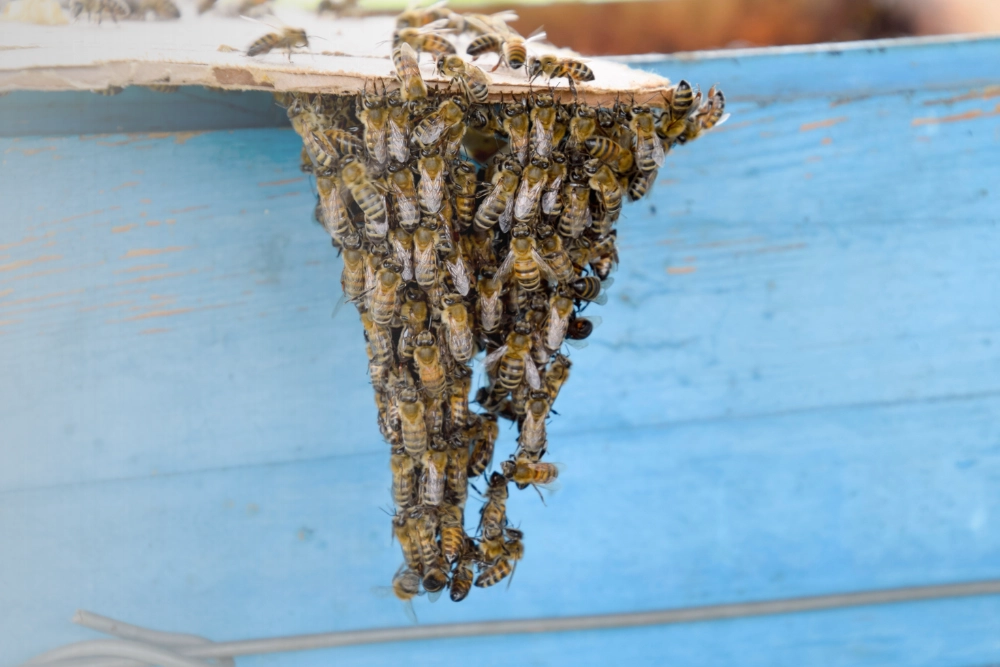
Safely relocating a live bee colony usually begins with a professional assessment of where the bees are located, how established the colony is, and whether the site can be accessed without creating unnecessary risk. If you have an active colony on your property, the safest first step is to avoid disturbing it and contact a professional who handles live bee relocation in South Florida.
At Ben and Bees, we provide live bee relocation services in South Florida for homeowners and businesses dealing with unwanted bee activity. Our goal is to evaluate the situation and determine the most appropriate way to address the colony based on the property and the location of the bees.
What Does Live Bee Relocation Mean?
Live bee relocation is different from simply removing visible bees from a property.
The goal is to address the colony in a way that allows the bees to be moved rather than unnecessarily destroyed when relocation is practical.
The exact approach can vary depending on factors such as:
- Where the colony is located
- How accessible the bees are
- Whether the bees are inside a structure
- How established the colony is
- Whether hive material is present
- How close the activity is to people, pets, entrances, or work areas
Because each colony and property can be different, there is no single relocation method that applies to every situation.
What Should You Do if You Find a Bee Colony?
If you discover a colony on your property, avoid disturbing the bees while you determine what to do next.
Do not try to open the area, remove hive material, or get close enough to inspect the colony yourself.
Instead, take note of what you can safely observe from a distance, such as:
- Where the bees appear to be entering
- Whether they are gathered in one visible location
- Whether activity appears to be coming from a wall, roofline, tree, shed, or another area
- How long you have noticed the activity
- Whether the bees are close to a doorway, walkway, work area, or another regularly used part of the property
This information can help a professional understand the situation before evaluating the colony.
Why Does the Colony's Location Matter?
The location of the bees can affect how complicated the relocation may be.
A visible group of bees in an accessible outdoor location may present a different situation from a colony established inside a wall, roof, attic, or another structural cavity.
Accessible Colonies
If the bees and hive are easy to reach, a professional may have more options for evaluating and relocating the colony.
Colonies Inside Structures
A colony inside a wall or roof can be more difficult because the bees may be only one visible part of the problem.
The professional may need to determine:
- Where the bees are entering.
- Where the colony is actually located.
- Whether the colony can be accessed safely.
- What parts of the structure may be involved.
- What should be done after the bees are removed.
Property owners should understand the full scope before work begins rather than assuming that removing the bees visible at the entrance will solve the entire problem.
Is a Bee Swarm the Same as an Established Colony?
Not necessarily.
A swarm is generally a group of bees gathered together while relocating or searching for a suitable place to establish themselves.
An established colony has already settled into a location.
That difference can affect how the situation is handled, which is why professional evaluation is useful before deciding what type of removal or relocation is appropriate.
If you see a large group of bees gathered on a tree, fence, wall, or another exposed surface, avoid disturbing them and contact a professional for an assessment.
Can Bees Inside a Wall Be Relocated?
In some situations, live bee relocation may be possible even when bees are inside part of a structure.
However, these situations can be more complicated because the colony may not be immediately visible or accessible.
A professional may need to determine:
- The likely location of the colony
- How the bees are entering the structure
- Whether there is safe access
- Whether hive material is present
- What repairs may be needed after the work is completed
The recommended approach should be based on the actual condition of the property rather than assumptions made from outside.
Why Professional Bee Relocation Matters
Bee colonies can be unpredictable when disturbed.
Trying to move a colony without understanding its location or condition can create unnecessary risk for the person attempting the removal and for other people nearby.
Professional bee relocation also involves more than simply moving a visible cluster of bees.
A qualified provider should first understand what is happening on the property and determine the appropriate next step. Depending on the situation, this may involve live relocation or another form of professional bee removal.
Ben and Bees is supplied in the client information as a licensed and insured local expert serving South Florida.
What Should You Ask Before Hiring a Bee Relocation Service?
Before scheduling work, ask the provider questions about what they expect to do.
Useful questions include:
- Does this situation appear suitable for live relocation?
- Where do you believe the colony is located?
- Will you need to access part of the structure?
- What happens to the bees after removal?
- Does the hive or comb also need to be addressed?
- Are repairs or sealing included?
- What should we do before you arrive?
- Is there anything we should do after the relocation?
A professional should be able to explain the proposed work clearly before beginning.
What Happens During Professional Live Bee Relocation?
The exact process depends on the colony and property.
A typical professional assessment may involve identifying the bee activity, locating the colony as accurately as possible, determining accessibility, and deciding whether live relocation is appropriate.
From there, the provider can explain what work is required and what the property owner should expect.
Because Ben and Bees' exact relocation process was not supplied in the brief, the specific steps should be confirmed before publishing.
How Can You Help Prevent Bees From Returning?
After a colony has been removed, the property should be checked for the conditions that allowed the bees to establish themselves there.
Depending on the situation, that may include identifying openings or gaps that could allow bees to access the same area again.
Any sealing or repair work should be completed only after the colony has been properly addressed.
When Should You Contact a Live Bee Relocation Professional?
Consider contacting a professional if:
- Bees appear to be entering a wall or roof
- You see a large cluster or swarm
- Bee activity has continued in the same location
- The colony is close to people or frequently used areas
- The bees are located somewhere difficult to access
- You want to know whether live relocation is possible
Our team can evaluate bee activity on your property and help determine whether professional relocation is appropriate.
For additional information about the service, visit our live bee relocation in South Florida page.
If you need help with a bee colony on your property, call us at (754) 354-2059 to discuss the situation.
Frequently Asked Questions
Can a Live Bee Colony Be Relocated?
In some situations, yes. Whether relocation is practical depends on factors such as where the colony is located, accessibility, and the condition of the site. A professional assessment can help determine the appropriate option.
What Is the Difference Between Bee Removal and Bee Relocation?
Bee removal is a broad term for addressing unwanted bees on a property. Live bee relocation specifically focuses on moving the bees when doing so is appropriate and practical.
Can Bees Inside a Wall Be Relocated?
Potentially. Colonies inside structural cavities can be more complicated because the location and hive material may be difficult to access. The property should be evaluated before deciding how the colony will be handled.
Can You Relocate a Bee Swarm?
A swarm may be a candidate for relocation depending on where it is located and how accessible it is. Avoid disturbing the swarm and have a professional evaluate it.
Should I Try to Move a Bee Colony Myself?
Professional evaluation is the safer approach, particularly when the colony is established inside a structure or close to people and frequently used areas.