
How to Get Bee Removal Services in South Florida
Learn how to find bee removal services in Florida, what to look for in a qualified provider, and when to call a professional for safe bee removal.
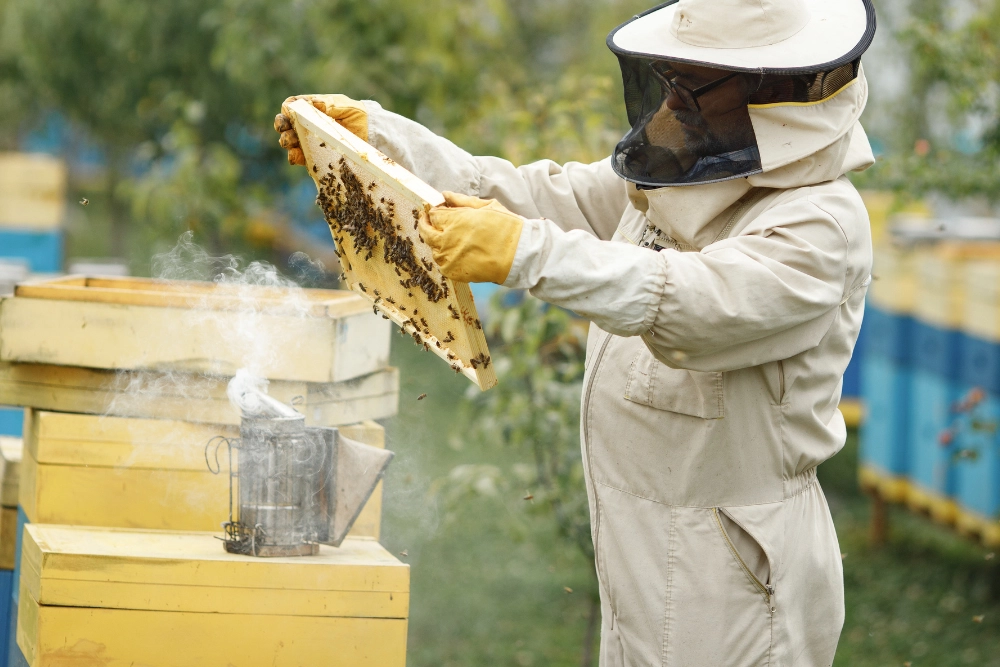
If you need bee removal services in Florida, the safest approach is to contact a qualified professional who can inspect the location, determine what type of bee activity you have, and recommend the appropriate removal method. In Florida, that may involve live bee removal and relocation or, in some situations, eradication by an appropriately licensed pest-control provider.
At Ben and Bees, we help homeowners and businesses in South Florida deal with unwanted bee activity safely and professionally. The right first step is understanding what is happening on your property before trying to remove the bees yourself.
What Should You Do When You Find Bees on Your Property?
If you notice a cluster of bees, repeated bee traffic around your roofline, or bees entering a wall or other opening, avoid disturbing them.
Keep people and pets away from the area and watch the activity from a safe distance. You do not need to get close enough to identify the species or locate the hive yourself.
Florida's Department of Agriculture and Consumer Services advises property owners not to attempt nuisance honey bee removal without appropriate training and equipment. Improper removal can create safety risks and may also involve pesticide regulations depending on the method used.
Instead, contact a professional and explain:
- Where you are seeing the bees
- Whether they appear to be entering a wall, roof, tree, shed, or another structure
- How long you have noticed the activity
- Whether there is a visible swarm or hive
- Whether anyone on the property has already been stung
- Whether the bees are near a frequently used entrance, walkway, playground, or work area
If you see a large cluster of bees gathered in one exposed location, you may be dealing with a swarm. Our swarm removal services can help determine the appropriate next step.
Photos taken from a safe distance can also help a professional understand the situation before arriving.
Is It a Bee Swarm or an Established Colony?
One of the first things a bee-removal professional will need to determine is whether you are dealing with a temporary swarm or an established colony.
Bee Swarms
Swarming is part of the honey bee reproductive cycle. A large group of bees may temporarily gather on a branch, fence, wall, or another exposed surface while searching for a new nesting location.
Because a swarm has not necessarily established a permanent nest yet, removal may be more straightforward in some cases.
If you discover a swarm on your property, avoid disturbing it and contact a professional who provides bee swarm removal to assess the situation.
Established Colonies
An established colony has begun living and building comb inside a cavity. Common locations can include:
- Wall voids
- Soffits
- Attics
- Sheds
- Tree cavities
- Meter boxes
- Other protected openings
FDACS notes that established colonies can occupy cavities in walls and other structures and may eventually fill those spaces with comb.
This distinction matters because removing visible bees alone may not resolve an established colony.
Can Bees Be Removed Without Killing Them?
Sometimes.
Florida allows registered beekeepers to perform live removal and relocation of honey bee swarms and certain established colonies. The feasibility of relocation depends on factors such as the colony's location, size, accessibility, and temperament.
Live bee relocation may involve removing the bees along with hive components such as comb, brood, and honey before relocating the colony.
However, not every situation is suitable for live relocation. A colony deep inside an occupied structure or in a location that creates an immediate stinging hazard may require a different approach.
Florida distinguishes between live bee removal performed by registered beekeepers and eradication services performed under applicable pest-control licensing requirements.
When contacting a provider, ask which approach they recommend for your property and why.
What Should I Look for in a Florida Bee Removal Service?
Do not choose a provider based only on who can arrive first. Ask a few questions before scheduling the work.
Ask About the Appropriate Florida Credentials
FDACS recommends asking for the provider's beekeeper registration number or applicable pest-control license number, depending on the type of service being performed.
You should also ask whether the provider carries liability insurance.
Ben and Bees is provided in this brief as a licensed and insured South Florida provider.
Ask How They Plan to Handle the Colony
A professional should be able to explain whether the situation appears suitable for relocation and what the proposed removal process involves.
Useful questions include:
- Will the bees be removed alive?
- Does the situation require another form of removal?
- How will you access the colony?
- What happens to the bees afterward?
- Will comb and honey also need to be removed?
You do not need to become a bee expert yourself. The purpose of asking these questions is to understand what work is being proposed on your property.
Ask What Happens to the Honeycomb
For an established colony inside a structure, the work may involve more than removing the adult bees.
FDACS specifically recommends asking the provider about removing existing honey and comb because material left behind can attract additional bee activity.
Ask whether comb removal is part of the proposed service and whether additional structural work may be required afterward.
Ask About Repairs and Bee-Proofing
Removing a colony does not automatically prevent another swarm from finding the same opening.
After removal, gaps or openings that allowed bees to enter may need to be addressed. Depending on the location, that could involve separate repair work.
FDACS recommends bee-proofing as a preventive measure to help keep honey bee swarms from establishing colonies in unwanted areas of a property.
Should You Remove a Beehive Yourself?
Professional help is the safer option.
Bee colonies can become defensive when disturbed, especially when someone attempts to open a wall, spray the colony, block an entrance, or physically remove the hive.
Florida's agriculture department specifically recommends against attempting nuisance-colony removal without proper equipment and training.
There is another important consideration in Florida: you cannot reliably determine whether honey bees are African or European just by looking at them. FDACS states that genetic testing is required to make that determination.
Avoid approaching a colony simply because the bees appear calm.
If bee activity presents an immediate concern around your home or business, you can contact our emergency bee removal service for professional assistance.
What Happens During Professional Bee Removal?
The exact process depends on where the bees are located, but a professional visit generally begins with an assessment.
The provider may need to determine:
- Where the bees are entering.
- Whether you have a swarm or established colony.
- Where the colony is located.
- Whether it is accessible.
- Whether live relocation is appropriate.
- Whether comb or honey needs to be removed.
- Whether an entry point should be repaired or sealed afterward.
For colonies inside walls, roofs, or other structural cavities, access can be more complicated than removing an exposed swarm.
That is why describing the location accurately when you first call can help the provider prepare for the inspection.
How Can I Get Bee Removal Services in South Florida?
If bees have established themselves on your home or commercial property, start by contacting a local professional and describing where the activity is occurring.
Our team at Ben and Bees provides bee removal and live bee relocation services in South Florida. We can evaluate the situation and determine an appropriate approach based on the location and condition of the colony.
If the issue involves a visible cluster of bees, our swarm removal services may be the appropriate place to start. For situations that require more urgent attention, you can also review our emergency bee removal services.
If you need help with bees on your property, call us at (754) 354-2059 to discuss the situation.
Frequently Asked Questions
Who Should I Call to Remove Bees in Florida?
Contact a qualified bee-removal professional. Depending on the method required, Florida distinguishes between live removal by registered beekeepers and eradication performed by appropriately licensed pest-control operators.
Can a Beekeeper Remove Bees From My House?
A registered Florida beekeeper may perform live removal when the colony and location are suitable for relocation. Accessibility, colony condition, and safety all affect whether live removal is practical.
Can Bees Inside a Wall Be Removed?
Yes, but established colonies inside walls can require access to the nesting cavity so that the bees and hive material can be addressed. Ask the provider how they plan to handle the comb and honey as well as the bees.
Is It Illegal to Kill Honey Bees in Florida?
No. FDACS states that it is not illegal for a properly licensed pest-control company to eradicate a nuisance honey bee colony. The appropriate method depends on the circumstances and safety considerations.
Should I Seal the Hole Where Bees Are Entering?
Do not immediately seal an active colony inside a structure without professional guidance. Have the colony evaluated first, then determine what removal and bee-proofing work should be completed afterward.